
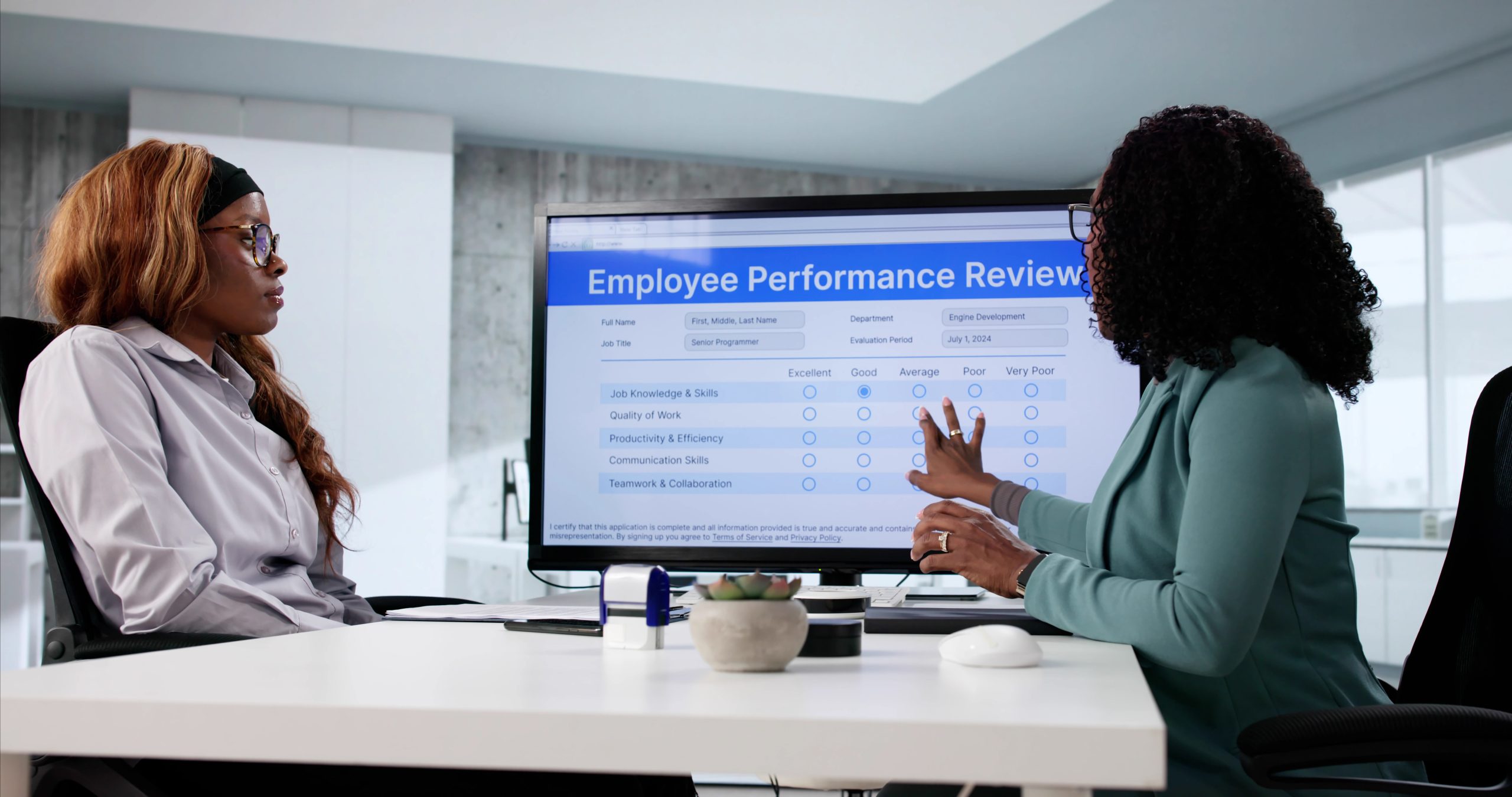
For many union members, performance evaluation season can feel stressful. Too often, evaluations are viewed as something that happens to employees rather than a tool that can work for them. The truth is that a well-prepared employee can use the evaluation process to document accomplishments, strengthen their professional standing, identify training opportunities, and protect their rights.
At GAA, we encourage members to approach performance evaluations strategically. A performance review is more than a score or a meeting with a supervisor. It is an important employment record that can impact promotions, wage increases, assignments, training opportunities, and future career growth.
Start Preparing Before the Review Meeting
The best time to prepare for a performance evaluation is not the day before the meeting. Throughout the year, keep a record of your achievements, projects, committee work, special assignments, positive feedback, and any measurable results you have delivered.
Ask yourself:
- What goals did I achieve this year?
- What projects did I complete successfully?
- How did I improve efficiency or service delivery?
- What additional responsibilities did I assume?
- What training or certifications did I complete?
Bringing specific examples to your evaluation helps ensure that your contributions are recognized and accurately documented.
Review the Evaluation Carefully
A performance evaluation should never be signed without being read thoroughly.
Take time to review:
- Ratings assigned in each category
- Supervisor comments
- Factual accuracy of the evaluation
- Statements that may be unsupported or unclear
- Areas identified for improvement
If something appears inaccurate, ask questions and request specific examples. Professional, fact-based discussions are often more effective than emotional responses.
Use Your Right to Respond
Many collective bargaining agreements and employer policies allow employees to submit a written response to an evaluation. In GAA-represented units, employees often have the right to provide a written statement that becomes part of the evaluation record. Employees may also have review or appeal rights depending on the language of their agreement. This ensures that your perspective becomes part of the official record.
A written response allows you to:
- Correct factual inaccuracies
- Provide relevant context
- Document accomplishments that were overlooked
- Preserve your position if issues arise later
Remember that today’s evaluation may be reviewed months or even years from now. A well-written response creates a complete record.
Identify Obstacles and Advocate for Solutions
A performance evaluation should not focus solely on what an employee has done well or where improvement may be needed. It is also an opportunity to identify workplace obstacles that may be impacting performance.
Employees should be prepared to discuss challenges such as:
- Excessive workloads
- Staffing shortages
- Lack of training
- Outdated equipment or technology
- Unclear expectations
- Inefficient processes
- Delays caused by factors outside the employee’s control
- Insufficient resources to complete assigned work
A good evaluation is a two-way conversation. If obstacles are affecting your ability to perform effectively, the evaluation provides an opportunity to document those concerns and work collaboratively toward solutions. By raising these issues professionally and constructively, employees can help management understand operational challenges and identify resources needed for success.
Documenting workplace barriers can also be important if questions arise later about performance expectations. A written record showing that concerns were identified and communicated helps create a more complete and accurate picture of an employee’s work environment.
Focus on Career Development
Performance evaluations are not just about ratings. They are also an opportunity to discuss future growth.
Consider asking:
- What skills should I develop over the next year?
- What training opportunities are available?
- What experiences would help me advance?
- What goals should I prioritize?
- What support or resources do I need to be more successful?
Using the evaluation process to create a professional development plan can lead to greater opportunities and increased job satisfaction.
Document Concerns Early
If you disagree with an evaluation, do not ignore it.
Several GAA agreements provide employees with the opportunity to request a review of a performance assessment, submit supporting information, and involve the union in the process. Some agreements also provide grievance rights under specified circumstances.
Keep copies of:
- The evaluation
- Any written response
- Supporting documentation
- Emails related to the evaluation process
- Notes from meetings with management
Good documentation is often the strongest protection available to employees.
Know When to Contact the Union
If you believe your evaluation is unfair, inconsistent, retaliatory, discriminatory, or otherwise violates the collective bargaining agreement, contact your union representative promptly.
The union may be able to:
- Review the evaluation process
- Help draft a written response
- Identify contract rights and deadlines
- Assist with appeals or grievances when applicable
- Ensure that management follows negotiated procedures
The sooner concerns are raised, the more options may be available.

Make the Evaluation Work for You
Performance evaluations should not be viewed solely as a management tool. They are an opportunity for employees to tell their professional story, receive recognition for their accomplishments, identify workplace barriers, discuss solutions, establish future goals, and protect their rights under the collective bargaining agreement.
Union members who actively participate in the evaluation process, document their achievements, communicate the challenges they face, and understand their contractual rights are in the best position to benefit from the review.
Bottom Line: A performance evaluation is more than a rating. It is an opportunity to document your accomplishments, identify obstacles that may be affecting your work, advocate for the resources needed to succeed, establish goals for future growth, and ensure that your contributions are fully recognized. Union members who actively participate in the evaluation process are in the best position to protect their rights, improve their workplace, and advance their careers.